
Your Ultimate Renovation Project Checklist

Renovating your home is an exciting journey. It’s a chance to refresh your space, add value, and create a place that truly feels like yours. But it can also feel overwhelming if you don’t have a clear plan. That’s why having a solid renovation project checklist is essential. It helps you stay organized, manage your budget, and make smart decisions every step of the way.
In this guide, you’ll find practical tips and detailed steps to help you navigate your home renovation with confidence. Whether you’re updating a single room or tackling a full house makeover, this checklist will keep you on track.
Why You Need a Renovation Project Checklist
Starting a renovation without a plan is like setting off on a road trip without a map. You might get there eventually, but it will take longer, cost more, and cause unnecessary stress. A renovation project checklist helps you:
Define your goals clearly: Know exactly what you want to achieve.
Set a realistic budget: Avoid surprises by planning your expenses.
Schedule tasks efficiently: Keep your project on time.
Communicate with contractors: Ensure everyone is on the same page.
Track progress: Celebrate milestones and adjust plans as needed.
By breaking down your renovation into manageable steps, you’ll feel more in control and ready to handle challenges.
Creating Your Renovation Project Checklist
Start by listing everything you want to accomplish. Here’s a simple way to organize your checklist:
1. Assess Your Current Space
Walk through your home and note what needs improvement. Look for:
Structural issues like cracks or leaks
Outdated fixtures and finishes
Inefficient layouts or wasted space
Areas that don’t meet your lifestyle needs
Take photos and measurements. This will help you communicate your vision clearly.
2. Set Your Priorities
Decide what’s most important. For example:
Upgrading the kitchen for better functionality
Adding energy-efficient windows
Creating more storage space
Rank your priorities to guide your budget and timeline.
3. Establish Your Budget
Calculate how much you can spend. Include:
Materials and labor
Permits and inspections
Contingency fund (usually 10-20% extra)
Be realistic and prepared for unexpected costs.
4. Research and Hire Professionals
Find reliable contractors, designers, or handymen. Check reviews, ask for references, and get multiple quotes. Clear communication is key to a smooth renovation.
5. Plan Your Timeline
Create a schedule with start and end dates for each phase. Factor in delivery times for materials and potential delays.
6. Obtain Necessary Permits
Check local regulations to ensure your project complies with building codes. Permits protect your investment and avoid fines.
7. Prepare Your Home
Clear the renovation area, protect furniture, and set up temporary living arrangements if needed.
8. Monitor Progress
Regularly check the work against your plan. Address issues promptly to avoid costly fixes later.
9. Final Inspection and Cleanup
Make sure everything meets your expectations. Schedule a final walkthrough with your contractor and complete any touch-ups.
Is $100,000 Enough to Renovate a House?
Many homeowners wonder if $100,000 is enough to renovate a house. The answer depends on several factors:
Size of the home: Larger homes require more materials and labor.
Scope of work: Cosmetic updates cost less than structural changes.
Quality of materials: High-end finishes increase costs.
Location: Labor and permit fees vary by region.
In Atlanta, GA, $100,000 can cover significant renovations if you plan carefully. For example, you might:
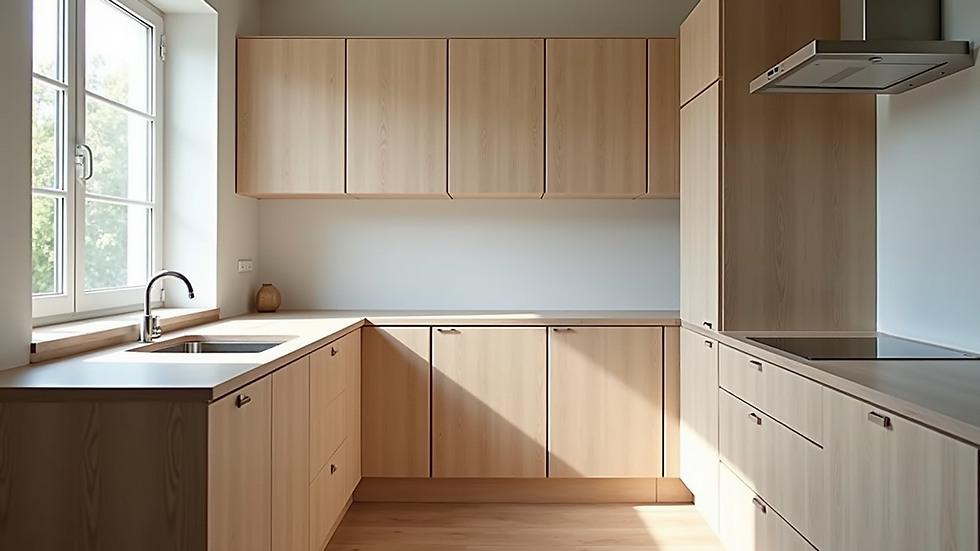
Remodel the kitchen with new appliances and cabinets
Update bathrooms with modern fixtures
Replace flooring throughout the house
Paint interior walls and ceilings
Improve energy efficiency with insulation and windows
To stretch your budget, focus on high-impact areas and consider DIY for minor tasks. Always keep a contingency fund for unexpected expenses.
Essential Items for Your Renovation Project Checklist
Here’s a detailed list to include in your checklist:
Structural and Safety Checks
Inspect foundation and roof
Check plumbing and electrical systems
Test HVAC functionality
Ensure smoke detectors and carbon monoxide alarms are installed
Design and Layout
Finalize floor plans
Choose color schemes and materials
Select lighting fixtures and hardware
Plan storage solutions
Materials and Supplies
Order flooring, tiles, and paint
Purchase cabinets, countertops, and appliances
Buy tools and protective gear
Contractor Coordination
Confirm start dates and deadlines
Review contracts and warranties
Schedule regular site visits
Living Arrangements
Arrange temporary housing if needed
Set up a renovation zone to minimize disruption
Plan meals and daily routines around construction
Post-Renovation Tasks
Deep clean the renovated areas
Install window treatments and furniture
Decorate and personalize your space

Tips for a Smooth Renovation Experience
Communicate often: Keep in touch with your contractor and ask questions.
Stay flexible: Be ready to adapt if issues arise.
Document everything: Keep receipts, contracts, and photos.
Prioritize quality: Invest in durable materials to save money long-term.
Take care of yourself: Renovations can be stressful, so schedule breaks and stay positive.
Using a home renovation checklist will help you cover all these bases and more. It’s your roadmap to a successful project.
Making Your Dream Home a Reality
Renovating your home is a big step, but with the right preparation, it can be a rewarding experience. By following this renovation project checklist, you’ll reduce stress, control costs, and create a space that fits your lifestyle perfectly.
Remember, every great renovation starts with a clear plan. Take your time, ask for help when needed, and enjoy the process of transforming your house into your dream home. Your vision is within reach, and with careful planning, you’ll see it come to life beautifully.


Comments